
The Niche Newsletter Moat: Trust, Cadence, and Archives
Why niche newsletters win: trust, reliable cadence, and an indexed archive that compounds authority, retention, and sponsorship value.
Trust Is the First Moat: Editorial Standards That Readers Can Feel
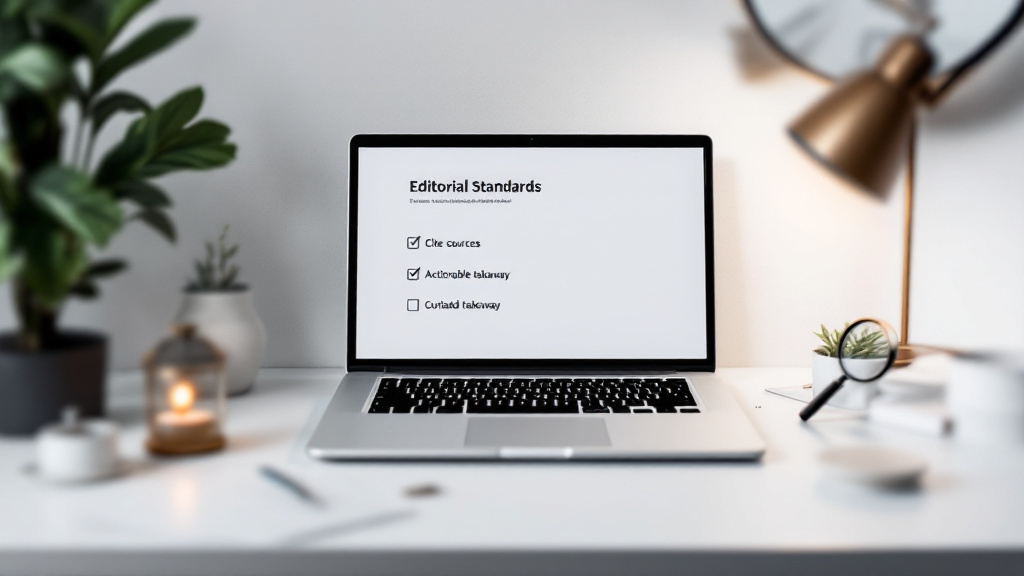
In niche publishing, audience-trust is the product. Readers don’t pay (or even consistently open) because a newsletter is “interesting”; they commit because it reliably filters noise into decisions they can act on. The best newsletter-strategy starts with explicit promises: what you cover, what you ignore, and how you judge quality. When those promises are consistent, trust becomes a defensible asset rather than a vibe.
Strong editorial standards are simple and visible: cite original sources, label speculation, separate news from opinion, and write plain-English takeaways that respect the reader’s time. A practical rubric helps: “Is this new? Is it credible? Does it matter this week? What should a practitioner do next?” This also protects sponsor integrity—readers can tell when paid placements don’t contaminate the voice.
For SignalNiche Digest–style curation, the goal is repeatable signal. When every edition delivers clarity, readers start using you as their default lens on the niche—and that’s a moat competitors can’t copy overnight.
Cadence Creates Habit: Turning Content Ops Into an Information Flywheel
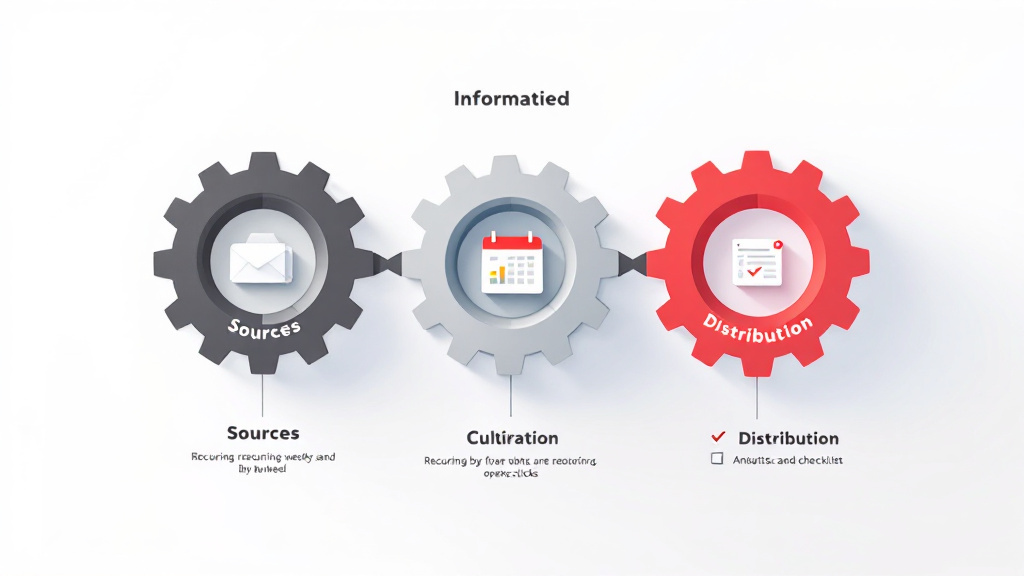
A niche newsletter becomes durable when it’s delivered like infrastructure. Consistent cadence—weekly, twice-weekly, whatever you can sustain—creates a habit loop: readers anticipate the drop, sponsors can plan inventory, and your team can systematize production. This is where content-ops stops being “workflow” and becomes a compounding advantage.
Design the flywheel around repeatability: a fixed issue template (top 8 links, plain-English takeaways, one original insight, then the paid add-on), a source pipeline, and time-boxed editing. Track lightweight metrics that map to value, not vanity: open rate trends, click concentration (are the top items consistently useful?), and paid conversion tied to specific segments. When something works, turn it into a reusable module (e.g., “incident-response checklist” or “pricing teardown”).
This operational discipline strengthens audience-trust because consistency signals competence. Over time, the cadence itself becomes part of your newsletter-strategy: readers stay because you reduce their weekly cognitive load—and that retention fuels referrals and sponsorship demand.
Archives Compound Value: Build an Indexed Library That Strengthens the Moat
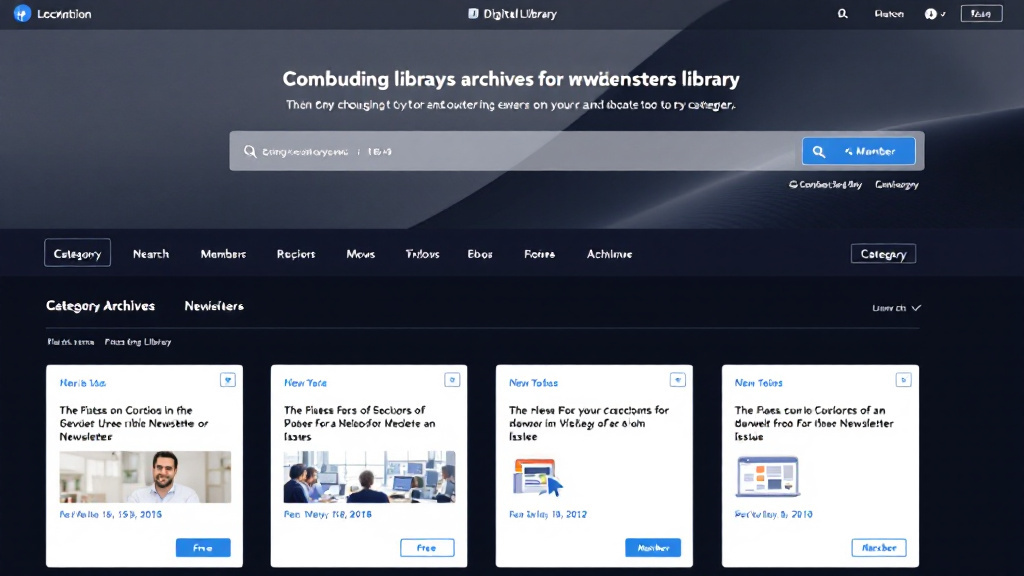
Most newsletters treat issues as disposable. The strongest operators treat them as an asset—an indexed, searchable set of archives that compounds authority over time. Each edition becomes a building block: today’s summary links to prior primers, glossaries, and playbooks, so the reader gets a “knowledge graph” instead of a pile of emails.
Make the archive intentionally useful. Use consistent tagging and titles, add one-sentence “why it matters” blurbs, and maintain evergreen pages for recurring themes (e.g., incident response, vendor evaluation, regulatory changes). Gate deeper assets (templates, checklists, datasets) behind membership to strengthen paid retention, while keeping enough public value to attract search traffic. Done well, your archive becomes the best onboarding tool: new subscribers can self-educate and quickly see why you’re worth paying for.
For sponsors, archives also create durable inventory—relevant issues continue to get discovered and clicked. That longevity improves reporting and reduces waste, aligning monetization with audience-trust, editorial integrity, and scalable content-ops.